March 4, 2026
10 Remarkable Natural Landscapes in the United States
A guided overview of ten landscape types across the United States, from granite valleys to subtropical wetlands.
Discover national parks, mountain landscapes, forests and scenic destinations across the United States through independent nature-focused articles and photography.
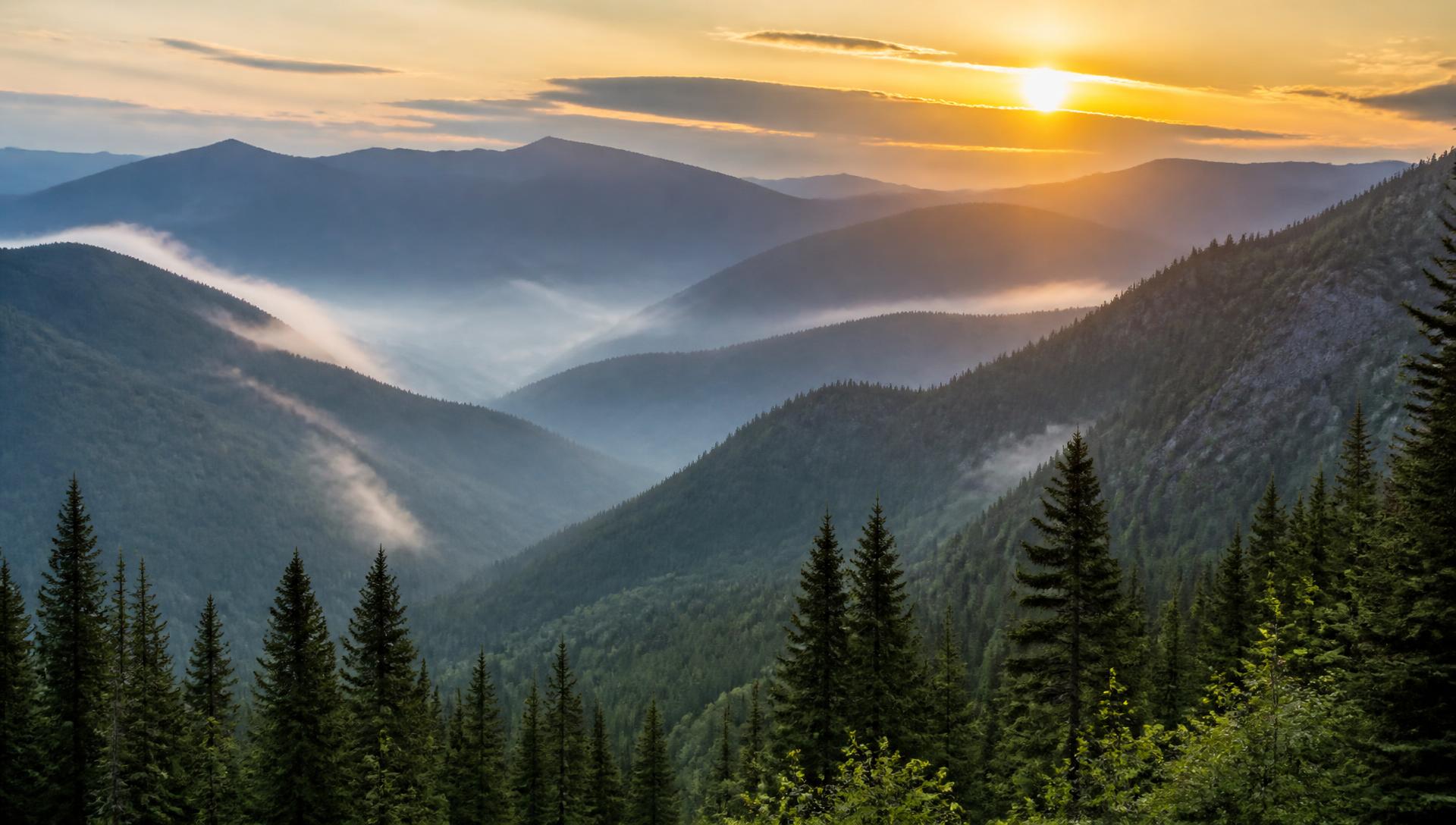
Illustrative image. Photography may not depict the specific location discussed.
Eight landscape types that shape the geography, climate and wildlife of the country.
Ranges such as the Appalachians, Rockies, Sierra Nevada and Cascades shape climate, rivers and habitat across the country.
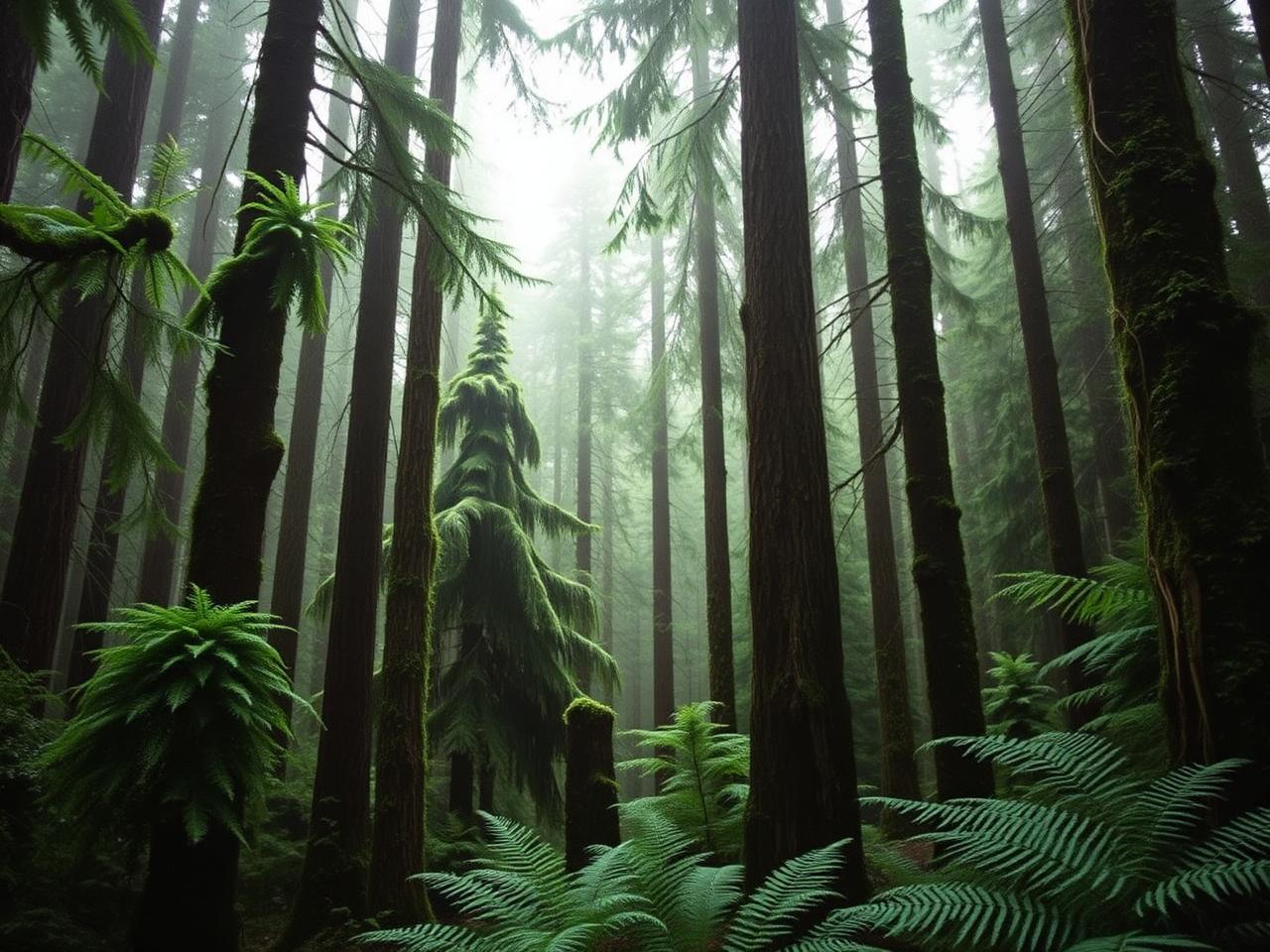
From eastern deciduous woodlands to Pacific Northwest temperate rainforests, forests cover a large share of the country.
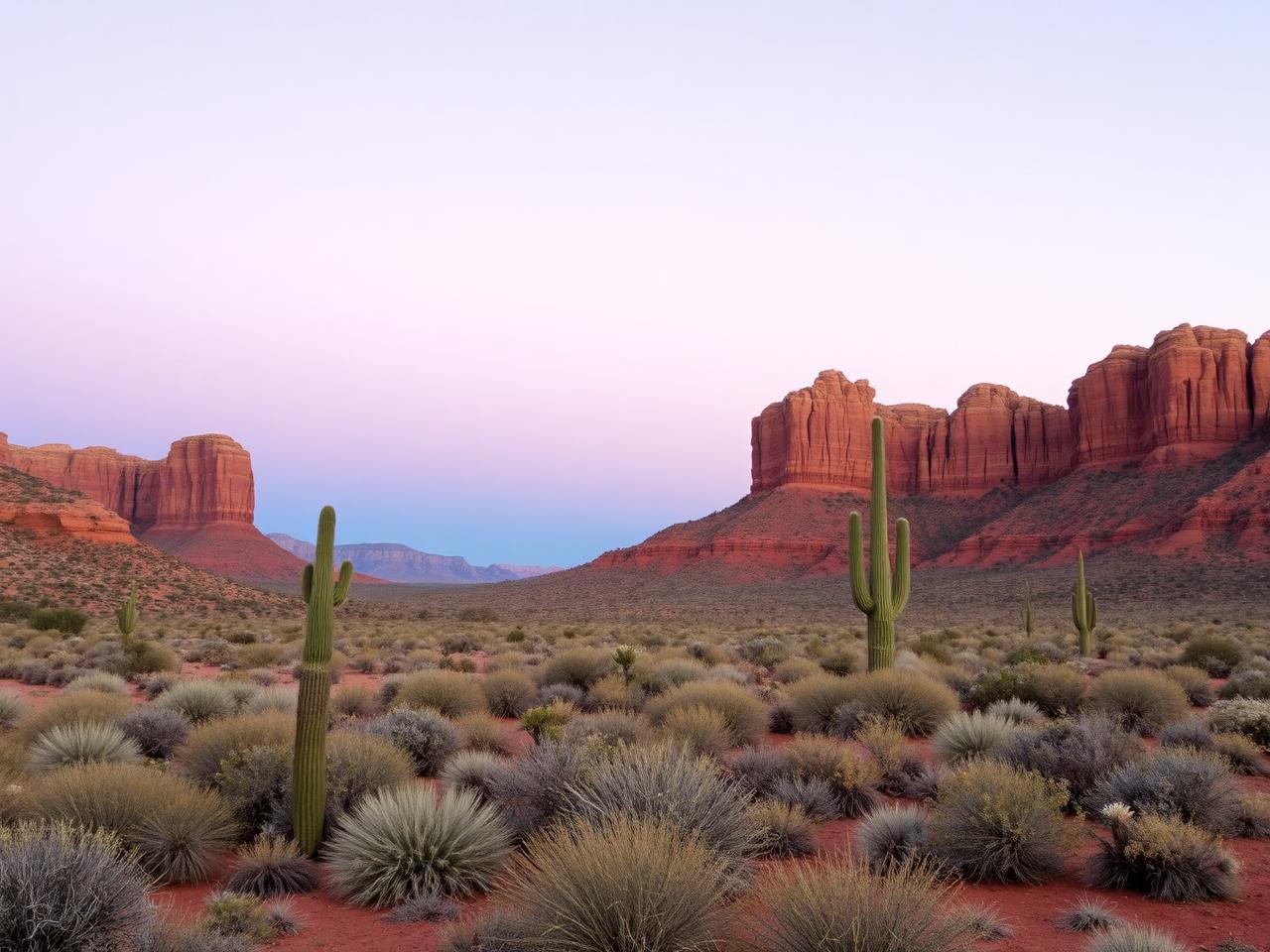
The Mojave, Sonoran, Chihuahuan and Great Basin deserts each have distinct plants, temperatures and rainfall patterns.
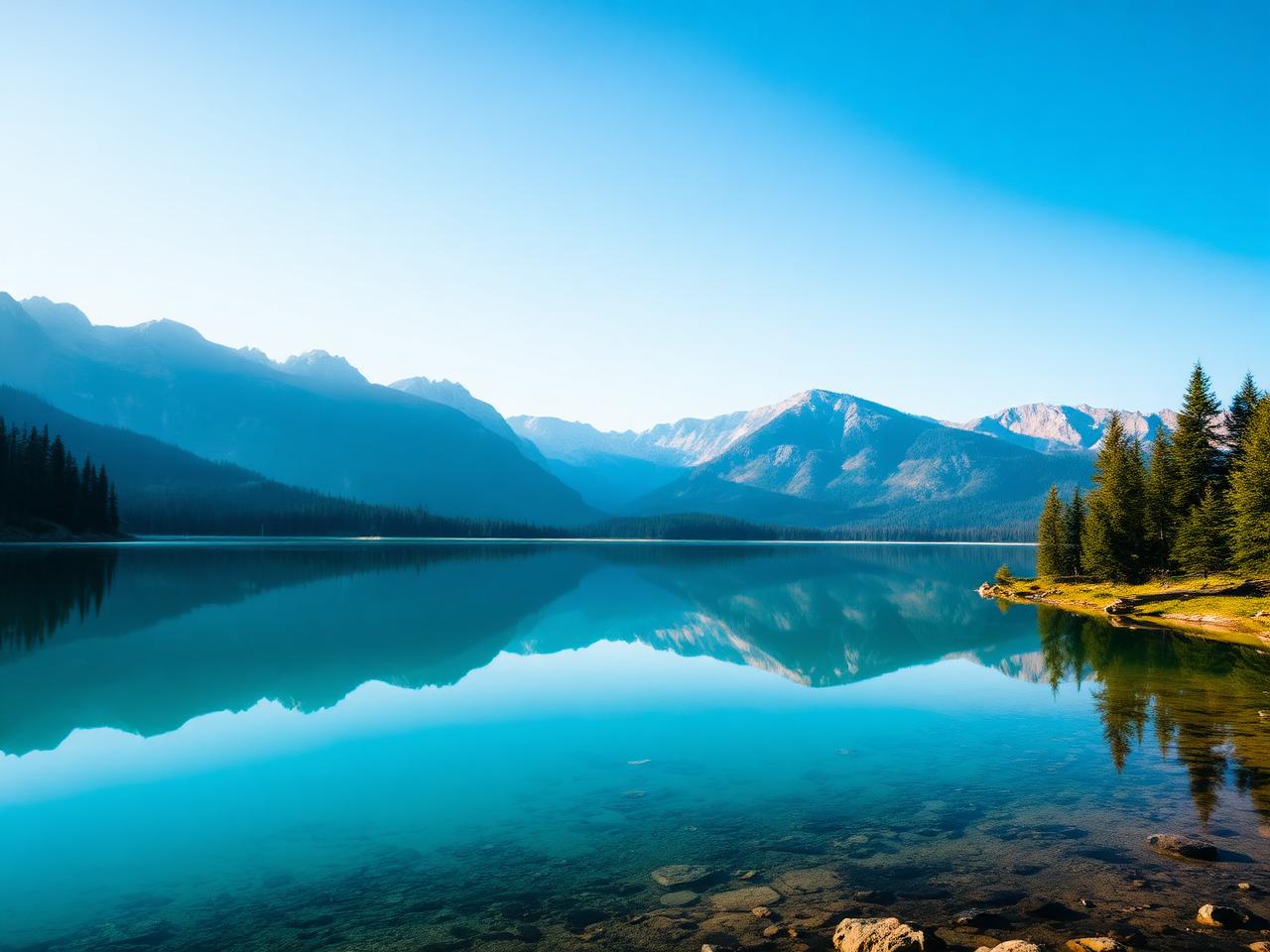
Glacial lakes, the Great Lakes, crater lakes and reservoirs store freshwater and support distinct aquatic communities.
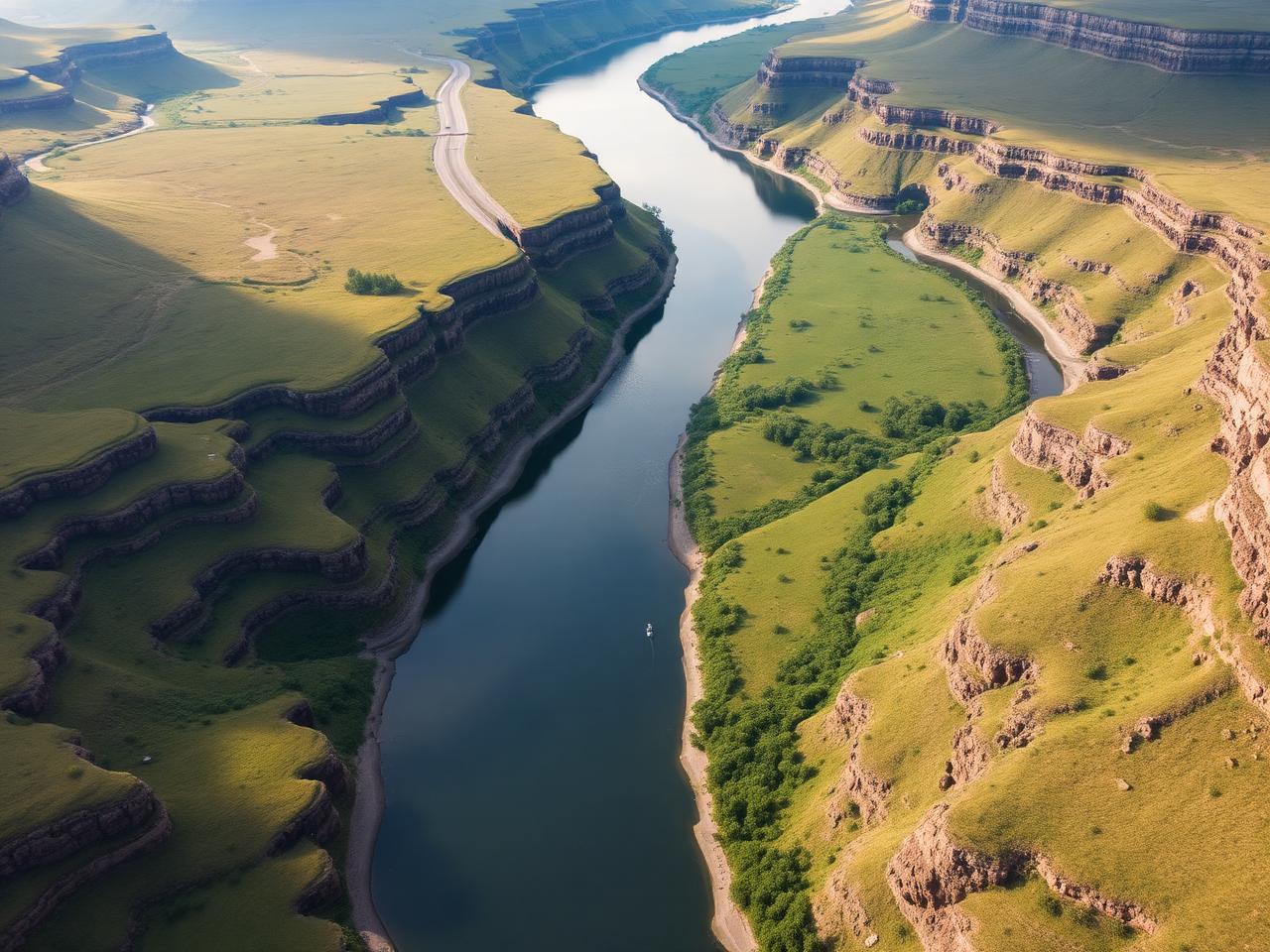
River systems such as the Mississippi, Missouri, Colorado and Columbia carve landscapes and connect ecosystems.
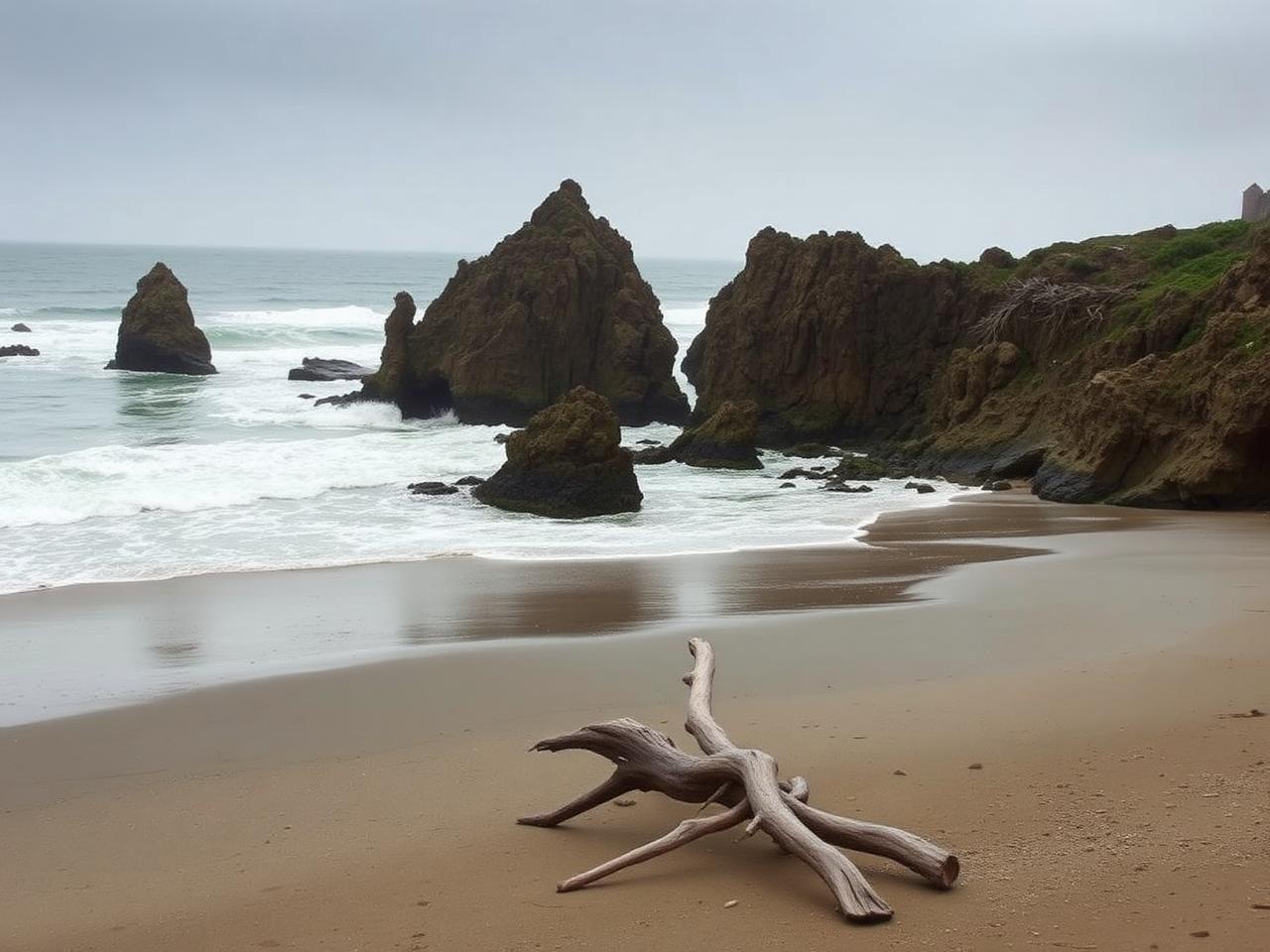
Atlantic barrier islands, Gulf shores, rugged Pacific headlands and Arctic coasts each form under different conditions.
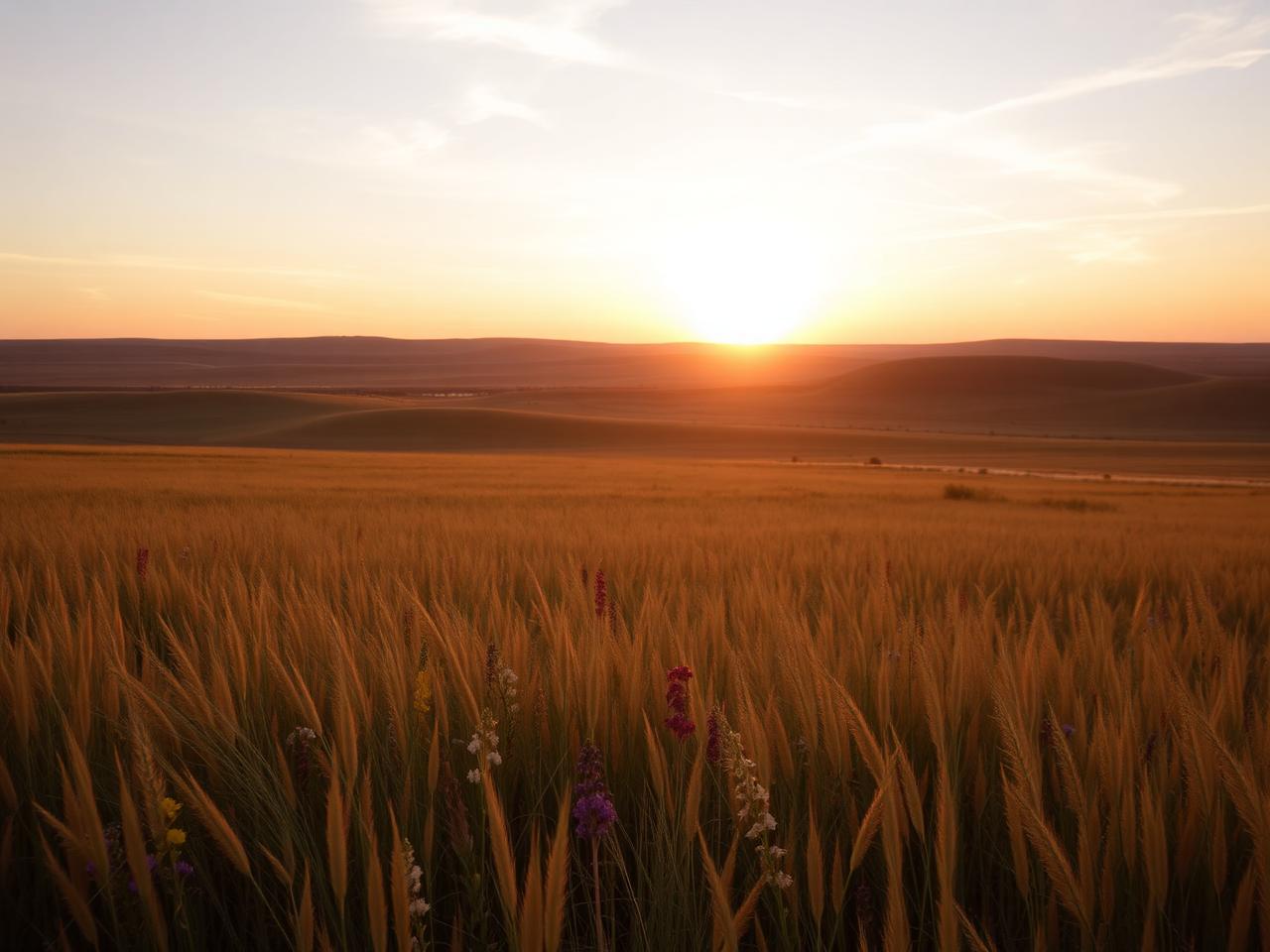
Tallgrass, mixed-grass and shortgrass prairies stretch across the interior of the continent.
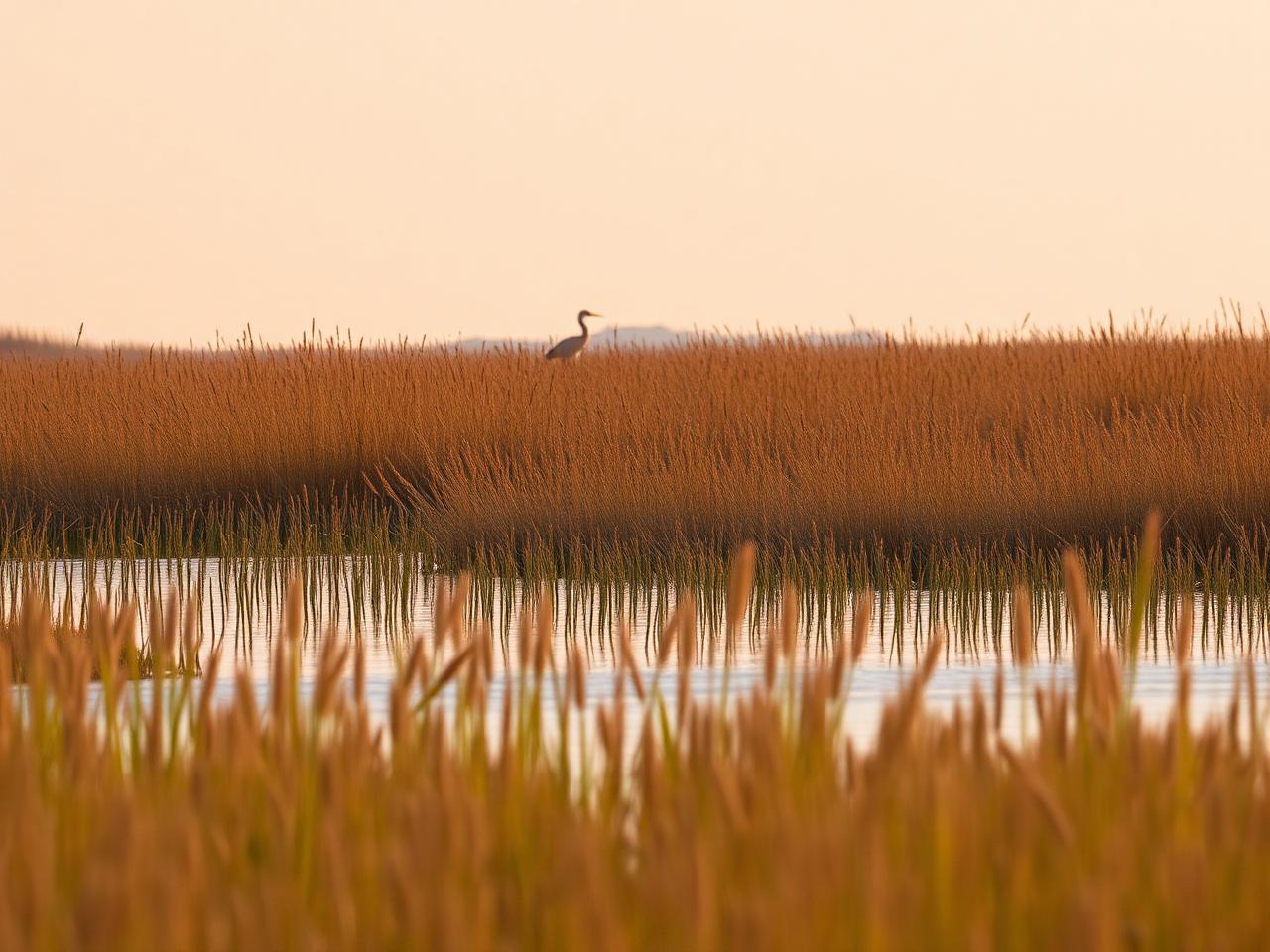
Marshes, swamps, bogs and estuaries sit between land and water and support exceptional biological diversity.
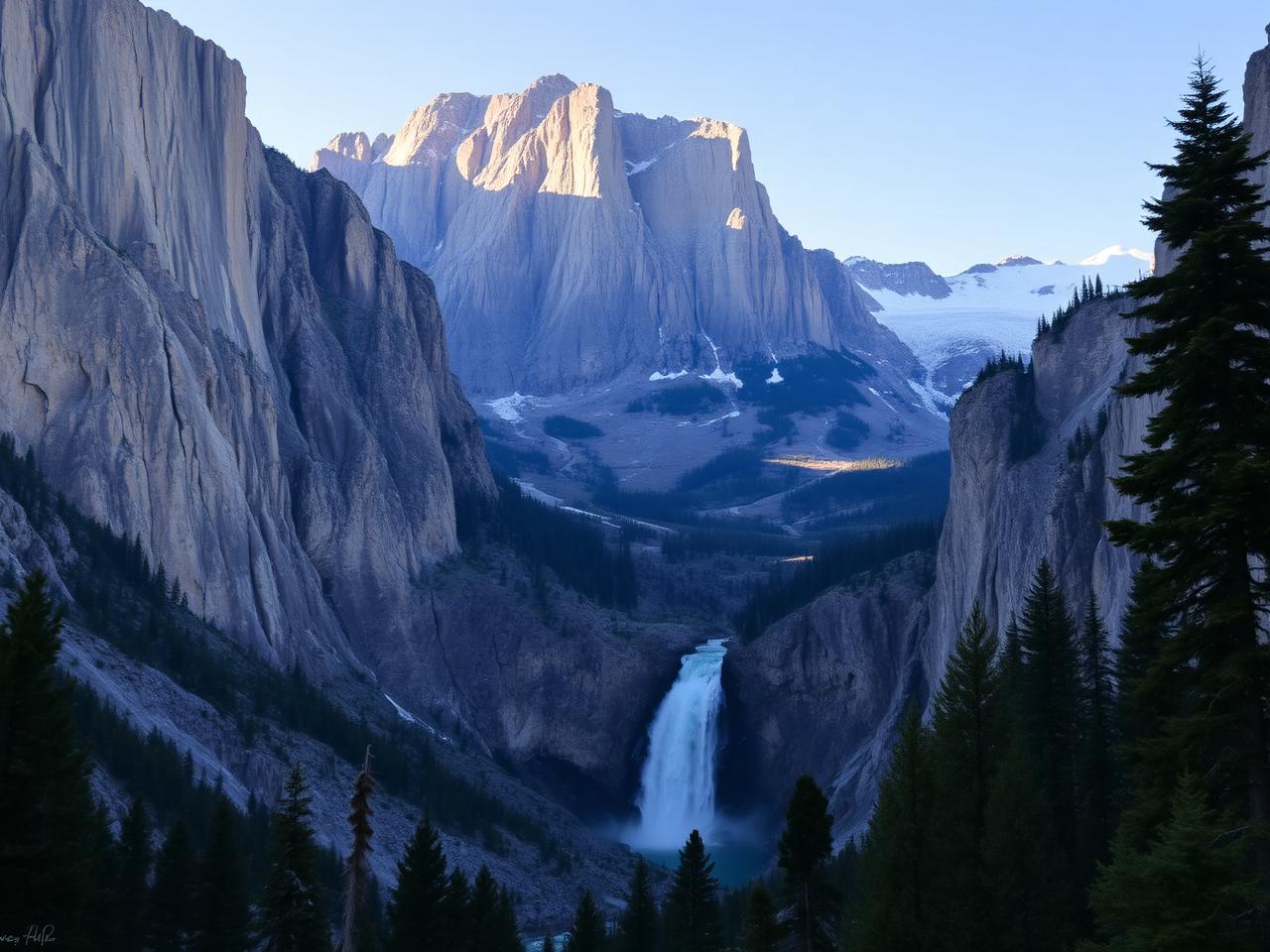
Illustrative image. Photography may not depict the specific location discussed.
Concise, factual profiles of well-known protected areas: where they are, the landscapes they protect, the plants and animals they support and general safety guidance. Details that change over time link back to the official managing agency.
Read park profilesMountain landscapes, national parks, forests and wildlife, scenic destinations and outdoor exploration. Illustrative images may not depict the specific location discussed.
March 4, 2026
A guided overview of ten landscape types across the United States, from granite valleys to subtropical wetlands.
February 18, 2026
Plants and animals in American deserts use structure, timing and behaviour to manage heat and scarce water.
February 2, 2026
Why the coastal forests of Washington, Oregon and northern California grow so tall, wet and green.
January 21, 2026
Marshes, swamps and estuaries filter water, buffer floods and support an unusually high number of species.
January 8, 2026
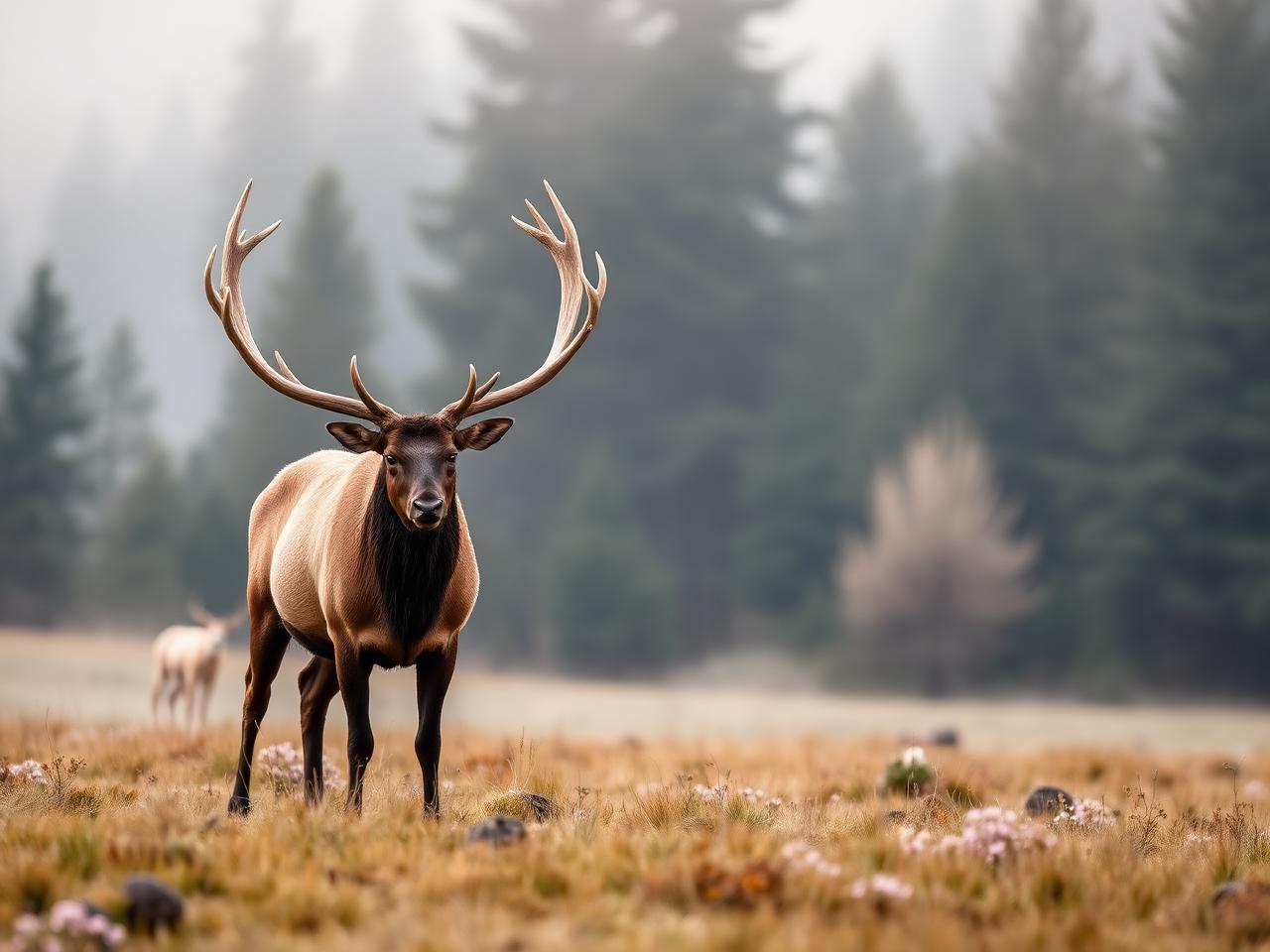
Common animal groups in protected areas and the basic viewing practices that keep both people and wildlife safe.
December 15, 2025
How climate, elevation and water availability combine to produce forests, grasslands, deserts, wetlands and tundra.
American Nature Journal is an independent editorial publication focused on America's natural landscapes, parks and outdoor destinations. Our goal is to provide accessible informational content and visual inspiration for readers interested in nature and outdoor travel.
American Nature Journal is an independent publication and is not affiliated with or endorsed by the U.S. government, the National Park Service, or any state or federal agency. Some images may be illustrative and may not depict the exact location discussed. Readers should consult official sources for current information about destinations, regulations, closures and travel conditions.