10 Remarkable Natural Landscapes in the United States
Published March 4, 2026 · American Nature Journal Editorial Team
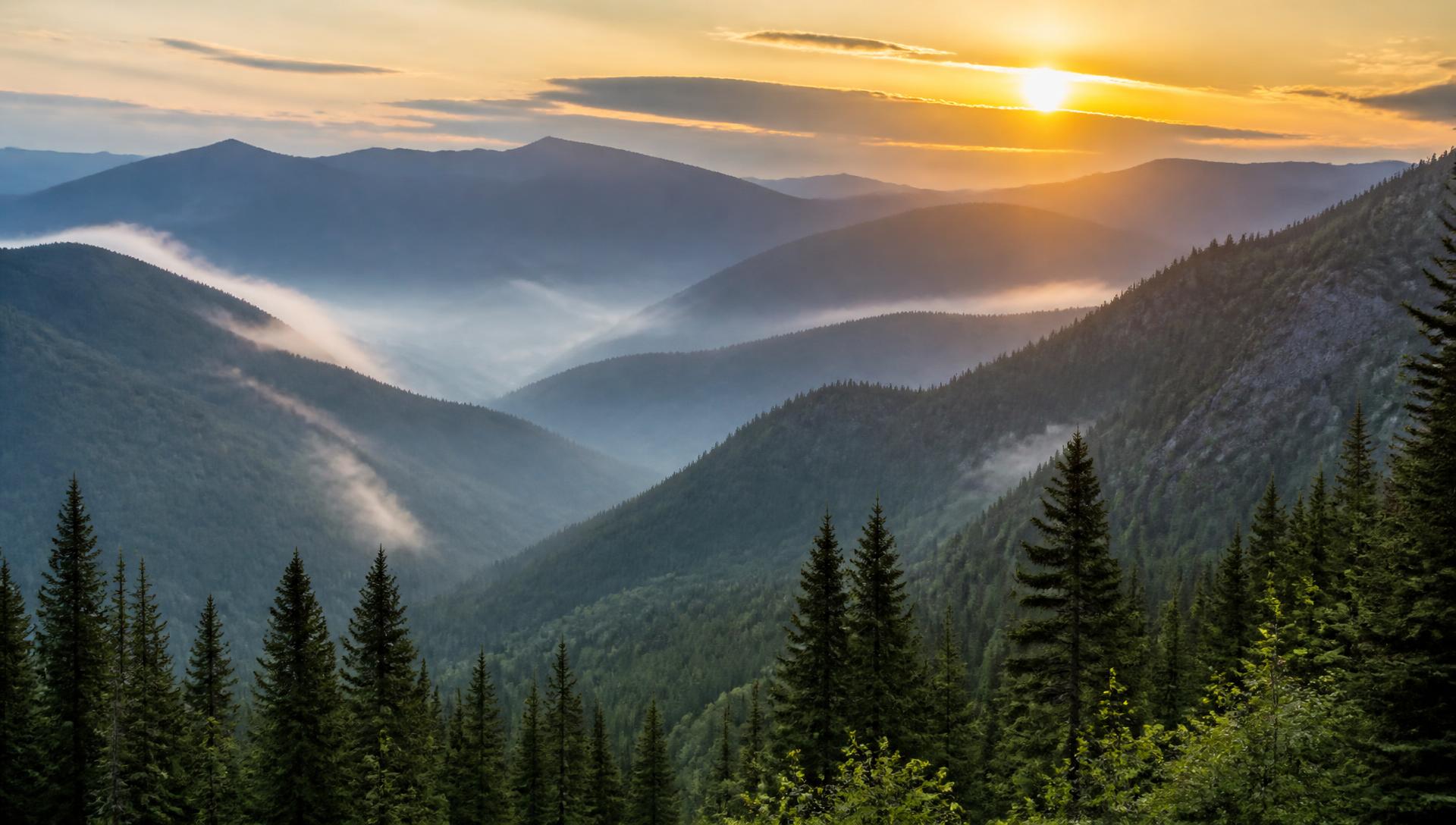
The United States spans several climate zones, which is why its landscapes vary so widely over relatively short distances. This overview introduces ten landscape types and what makes each of them distinct.
Mountains and glacial valleys
Mountain ranges influence rainfall, temperature and vegetation. Air rising over a range cools and drops moisture on the windward side, which is why one slope can be forested while the other is dry.
Where glaciers once flowed, valleys tend to have broad U-shaped profiles, polished rock and lakes held behind rock and sediment.
Deserts and canyon country
Deserts receive little precipitation, and their plants and animals are adapted to conserve water. Layered sedimentary rock exposed by rivers gives canyon country its banded appearance.
Coasts, wetlands and prairie
Coastlines range from sandy barrier islands to rocky headlands. Wetlands sit between land and water and filter runoff while supporting dense wildlife populations. Interior prairies are shaped by grazing, fire and deep-rooted grasses.
Planning a visit
Conditions, access roads and seasonal openings change. Before visiting any protected area, check the official website of the agency that manages it for current information.
Images on this page are illustrative visuals produced for this site and do not depict a specific identified location unless stated.