Wildlife
Wildlife across the United States
A respectful, educational introduction to the animal groups you may encounter in natural areas.
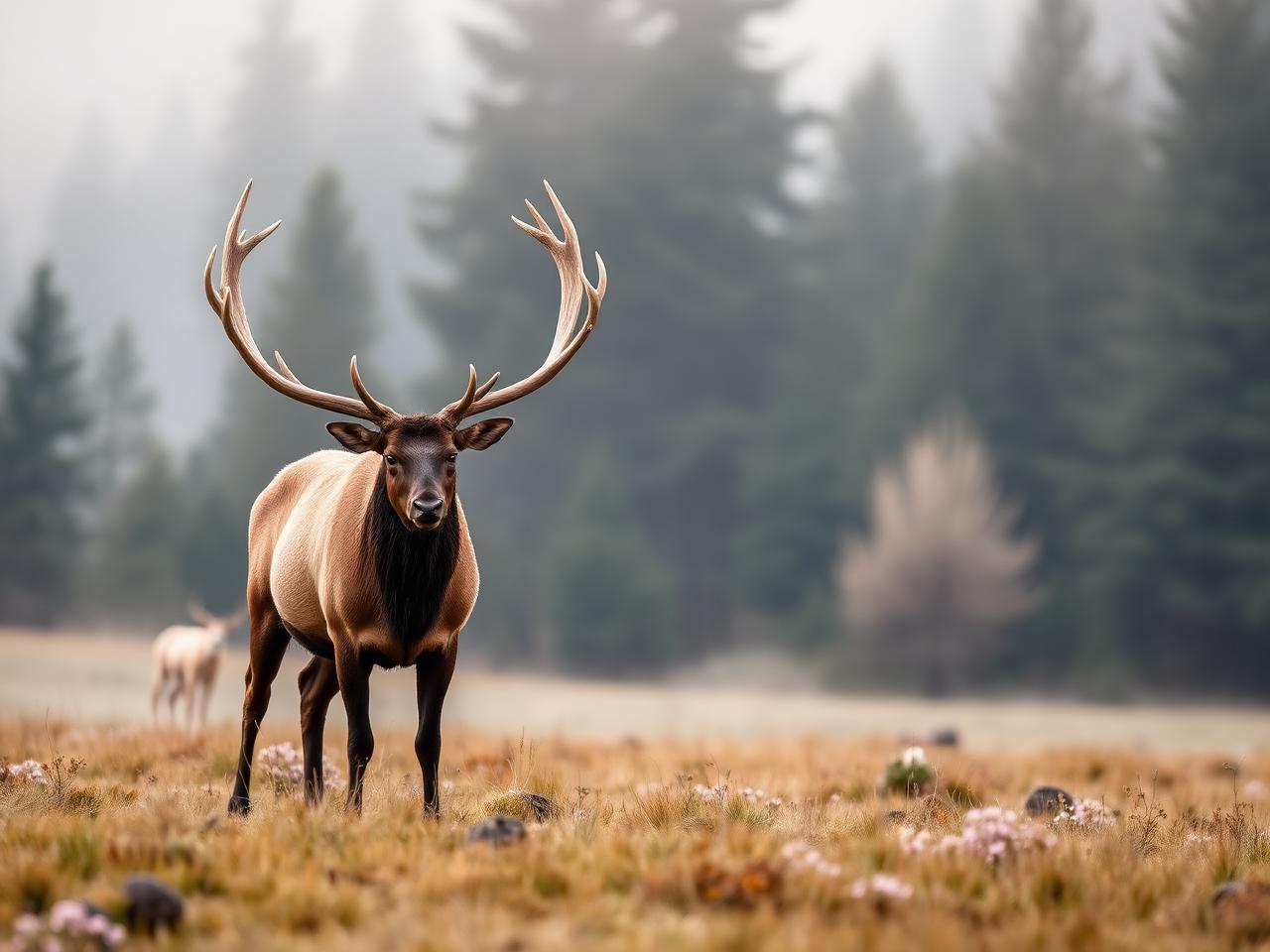
Observe wildlife from a safe distance and follow local park and wildlife regulations. Never feed or approach wild animals.
Mammals
Mammals in the United States range from small burrowing rodents to large grazing and predatory species.
- American bison — grassland grazers now largely found in protected herds.
- Elk — widespread in western mountains and reintroduced in parts of the east.
- Black bear — adaptable forest omnivore found across many regions.
- Pronghorn — an exceptionally fast open-country runner of western plains.
Birds
The country sits on major migratory flyways, so bird communities change with the seasons.
- Bald eagle — a fish-eating raptor associated with lakes, rivers and coasts.
- Sandhill crane — a tall wetland bird known for large seasonal gatherings.
- Great blue heron — a patient wader of marshes, ponds and shorelines.
- Warblers — small songbirds that move through in spring and autumn migration.
Marine Life
Coastal and offshore waters span cold northern seas, temperate shelves, coral reefs and Arctic coasts.
- Humpback whale — migrates long distances between feeding and breeding waters.
- Sea otter — a kelp-forest mammal of the Pacific coast.
- Sea turtles — nest on Atlantic and Gulf beaches under protection programmes.
- Tide-pool invertebrates — sea stars, anemones and mussels on rocky shores.
Reptiles
Reptiles are most diverse in warm, dry and subtropical regions.
- Desert tortoise — a long-lived burrowing tortoise of southwestern deserts.
- American alligator — found in southeastern wetlands and slow waterways.
- Rattlesnakes — venomous snakes best avoided by watching where you step and place your hands.
- Lizards — many species bask on rocks during cooler parts of the day.
Amphibians
Amphibians depend on moisture and are useful indicators of habitat and water quality.
- Salamanders — the southern Appalachians are notably rich in salamander species.
- Spring peepers — small frogs heard calling in eastern woodlands in early spring.
- American bullfrog — a large frog of ponds and slow water.
- Newts — often move between aquatic and land phases during their life cycle.
Responsible viewing
- Keep a distance that does not change an animal's behaviour.
- Use binoculars or a zoom lens instead of moving closer.
- Keep food stored as instructed by the land manager.
- Stay on trails, and keep pets leashed where they are permitted.
- Minimum-distance rules vary by location and species; check the managing agency's current guidance.